Family-owned since 1993, with over 30 years of machine tool experience and field service support from Locher’s Ohio and Texas service footprint.
Operational Reliability
Preventative Maintenance Consultations
Practical machine tool maintenance support for manufacturers trying to reduce recurring taper damage, toolholding problems, drawbar issues, and avoidable downtime.
Practical machine tool maintenance support for manufacturers trying to reduce recurring taper damage, toolholding problems, drawbar issues, and avoidable downtime.
Locher, Inc helps manufacturers review machine tool maintenance concerns that affect accuracy, uptime, toolholding, spindle taper condition, drawbar force, and repeatable production. Preventative maintenance consultation can help identify what should be inspected, measured, corrected, or monitored before small issues become larger machine problems.
This service is especially useful when a machine has recurring taper damage, toolholder seating problems, drawbar concerns, repeat runout, chatter, sticking tools, alignment concerns, or maintenance patterns that keep leading to the same repair calls.
Preventative Maintenance Support for Machine Tools
Preventative maintenance consultation helps manufacturers review the machine conditions, inspection practices, tooling habits, and maintenance checks that can affect machine accuracy, taper life, drawbar performance, toolholder seating, and production reliability.
Locher helps maintenance teams identify practical checks for the spindle taper, toolholders, drawbar or clamping system, retention knobs, test-bar runout, machine alignment, and related machine conditions.
The goal is not to create unnecessary work. The goal is to help the customer understand what should be inspected, what may be contributing to repeat problems, and what repair or maintenance path should be evaluated next.
Preventative Maintenance Consultation for Manufacturing Facilities
Locher works with manufacturers that rely on CNC machines, machining centers, boring mills, lathes, and other production-critical machine tools. Preventative maintenance consultation is useful when a facility wants to reduce recurring repair issues, protect spindle repairs, improve inspection discipline, or better understand what should be checked before problems interrupt production.
Locher can help review:
- Recurring spindle taper damage
- Repeat tool runout
- Chatter or poor finish that keeps returning
- Sticking tools or poor tool release
- Toolholder seating problems
- Drawbar force concerns
- Fretting or wear marks on toolholders
- Retention knob concerns
- Belleville washer or drawbar system concerns
- Toolholder inspection practices
- Taper inspection practices
- Test-bar runout checks
- Alignment-related accuracy concerns
- Maintenance planning after taper grinding, spindle repair, machine alignment, or boring mill repair
Preventative maintenance does not replace inspection or repair. It helps identify what should be checked regularly and what may need service before the machine develops a larger issue.
Machine Longevity
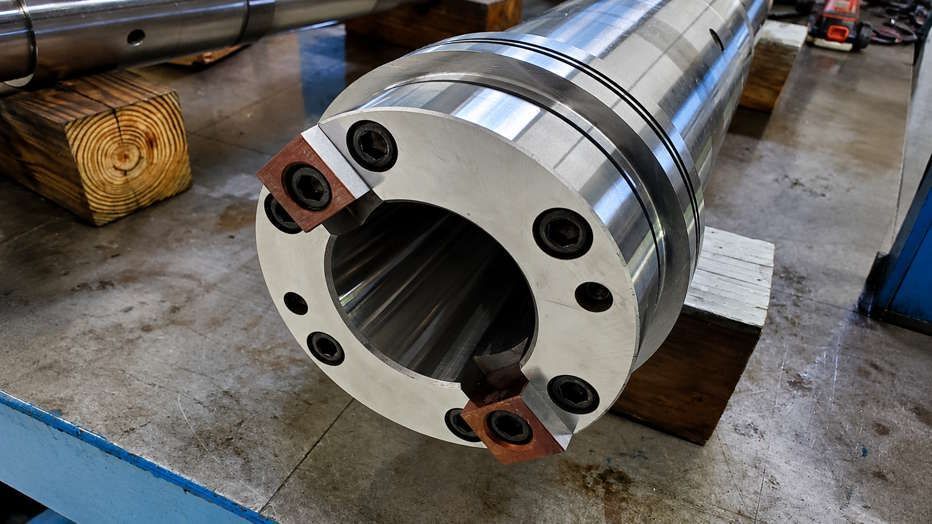
Proactive service reduces downtime and preserves spindle and tool precision.
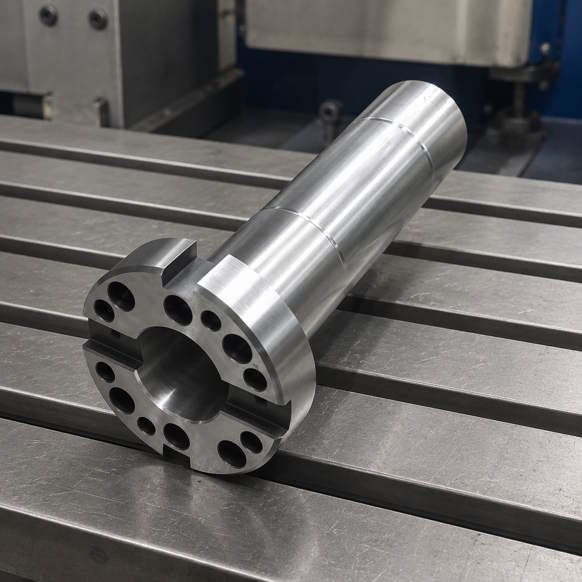
Maximize machine uptime with expert maintenance
Regular maintenance consultations extend machine life and improve operational efficiency.
Reduce Repeat Problems Before They Become Bigger Repairs
Many machine tool problems do not start as major failures. They often begin as poor toolholder seating, low or inconsistent drawbar force, damaged toolholders, worn retention knobs, taper wear, contamination, alignment changes, or maintenance checks that are not being performed consistently.
Locher helps manufacturers review these conditions before they create repeat taper damage, unstable cutting, tool movement, poor finish, runout, sticking tools, or avoidable machine downtime.
The focus is practical: check the right machine conditions, understand what the measurements mean, and determine whether the next step is maintenance, inspection, product support, taper grinding, spindle service, alignment, or another repair path.
Common Machine Tool Maintenance Issues
Preventative maintenance consultation is often useful when a machine keeps showing the same symptoms or when a facility wants to build a more reliable inspection routine.
| Maintenance Concern | What It May Involve | What Locher Reviews |
|---|---|---|
| Recurring taper damage | Toolholder condition, drawbar force, retention knobs, contamination, or taper wear | Taper condition, toolholder seating, drawbar force clues, maintenance history |
| Toolholder movement or fretting | Low clamp force, worn holders, retention issues, or taper contact problems | Drawbar force, retention knobs, toolholder condition, taper contact |
| Sticking tools | Taper damage, galling, contamination, release issues, or toolholder condition | Taper surface, tool release behavior, toolholder condition, drawbar system |
| Repeat runout | Taper contact, toolholders, spindle condition, drawbar force, or alignment | Test-bar runout, taper condition, spindle/toolholder behavior, machine context |
| Chatter or poor finish | Toolholder seating, taper wear, clamping force, spindle condition, setup, or machine geometry | Taper contact, tooling, drawbar condition, spindle clues, application symptoms |
| Accuracy changes | Machine geometry, alignment, spindle condition, taper condition, or setup variables | Alignment clues, test-bar behavior, spindle/taper clues, part-quality patterns |
| Repeat repair calls | The root cause may not be isolated yet | Service history, replaced components, operating conditions, maintenance practices |
When Maintenance Consultation May Not Be the First Step
Preventative maintenance consultation is not a substitute for repair when the machine already has a defined mechanical, taper, spindle, headstock, or alignment problem.
A direct repair review may be more appropriate when:
- The spindle taper is visibly damaged
- A spun-tool event left galling or material transfer in the taper
- Tools are sticking because of taper damage or release problems
- Bearing noise, heat, or severe vibration is present
- A boring mill spindle bar or quill has localized taper or front-end damage
- Headstock noise, gear concerns, shaft concerns, or transmission symptoms are present
- Parts are out of tolerance because machine geometry or alignment may have shifted
- A crash or overload created damage that should be inspected before maintenance planning
Locher can help review whether the next step should be on-site spindle taper grinding, machine tool spindle rebuilding, boring mill replaceable spindle taper insert work, headstock rebuild evaluation, machine calibration and alignment, product support, or preventative maintenance planning.
Protect your BUSINESS investment with tailored maintenance plans
When Preventative Maintenance Consultation May Be the Right Fit
Preventative maintenance consultation may help when a facility wants to reduce recurring taper damage, tooling issues, drawbar problems, crash risk, or avoidable machine downtime.
This service may be worth reviewing when:
- The same machine keeps developing taper or toolholding problems
- The facility wants to protect a recently corrected spindle taper
- Drawbar force has not been checked regularly
- Toolholders are worn, damaged, fretted, or inconsistent
- Retention knobs may be worn, mismatched, or incorrect
- Tools are sticking or not releasing cleanly
- Chatter, runout, or finish problems keep returning
- A machine has repeated accuracy problems
- A crash, spun-tool event, repair, relocation, or alignment issue has changed the maintenance picture
- The team wants a more practical inspection routine for production-critical machines
Locher can help determine which checks matter most for the machine, tooling system, taper type, application, and symptoms.
What May Be Checked During Preventative Maintenance Review
The maintenance review depends on the machine, tooling system, symptoms, service history, and production needs. Depending on the situation, Locher may review:
- Spindle taper condition
- Taper contact
- Toolholder seating
- Toolholder condition
- Toolholder inspection practices
- Drawbar or clamping-force concerns
- Retention knob condition
- Belleville washer or drawbar system concerns
- Tool release behavior
- Test-bar runout
- Gauge-line relationship, when applicable
- Dual-contact face relationship, when applicable
- Machine alignment or geometry clues
- Current measurement or inspection practices
- Whether follow-up service should be considered
Preventative maintenance checks support better repair decisions, but they do not guarantee that a machine will avoid future problems. Machine condition, operation, tooling, application, and maintenance practices all affect long-term performance.
How Locher Reviews Preventative Maintenance Needs
1. Review the Machine and Maintenance Concern
Locher starts with the machine make and model, machine type, taper or tooling system, symptoms, service history, and current maintenance concerns.
2. Identify Repeat Patterns
Locher reviews whether the machine has recurring taper damage, repeat toolholding issues, drawbar force concerns, sticking tools, toolholder wear, runout, chatter, finish problems, or accuracy issues that keep returning.
3. Review the Toolholding System
Toolholder condition, retention knobs, drawbar force, Belleville washers, taper contact, and tool release behavior can all affect spindle taper life and repeatable cutting performance.
4. Review Measurement and Inspection Needs
Depending on the machine and symptoms, Locher may review whether drawbar force checks, taper inspection, toolholder inspection, precision test bars, plug and taper gauges, or alignment checks should be part of the maintenance plan.
5. Recommend the Practical Next Step
The next step may be an inspection routine, product support, drawbar force review, taper evaluation, toolholder review, calibration and alignment review, spindle service, boring mill repair review, or another machine-specific recommendation.
What Locher Reviews During Preventative Maintenance Consultation
Locher reviews the machine, symptoms, tooling system, repair history, and maintenance practices to identify what should be inspected or measured such as:
- Machine make and model
- Machine type
- Taper or tooling system
- Description of recurring issues
- Current maintenance practices
- Recent taper grinding, spindle repair, boring mill repair, calibration, or alignment work
- Crash, spun-tool, overload, move, installation, or repair history
- Toolholder condition concerns
- Drawbar or clamping-force concerns
- Retention knob condition or compatibility concerns
- Belleville washer or drawbar system concerns
- Tool release or sticking tool issues
- Current runout, accuracy, vibration, or inspection data, if available
- Photos of taper condition, toolholders, retention knobs, or damaged parts, if available
- Facility location
- Desired timing
Note: You do not need every detail before contacting Locher. Send us what you have, and we can help you determine what else should be reviewed.
What to Send for Preventative Maintenance Consultation
You do not need every detail before contacting Locher. Send what you have, and Locher can help determine what else should be reviewed.
Before recommending machine tool design or engineering support, Locher reviews the details that define the machine problem, repair constraints, and practical next step.
Helpful review details include:
- Machine make and model
- Machine type
- Taper Size
- Description of the problem
- When the issue started
- Whether the maching is currently down
- Photos or videos if avialable
- Current runout, accuracy, vibration, temperature, or inspection data if available
- Known drawbar, toolholder, spindle, headstock, or alignment concerns
- Facility location
- Desired timing
These details help us evaluate whether the next step should be preventative maintenance consultation, drawbar force review, toolholder inspection, taper evaluation, machine calibration and alignment, spindle service, boring mill repair, or another repair path.
Please enter your information below and we'll follow up with you shortly!
Field service visit
“The technician did a really good job. He was easy to talk to and represented Locher well.”
- Scott Pike, Mike Cline, Inc.
Locher, Inc QUOTE FORM
Contact Us
Thank you for reaching out to contact us. We understand the urgency of our customer's service related inquiries and will review your email ASAP. Please allow us up to 24 hours to follow-up. We will get back to you as soon as possible.
If this is extremely urgent or an emergency request, please give us a call @ 800-956-2437. We will get back to you as soon as possible.
Ouchhh.... Technology is great when it works, right? Sorry about that... it seems our system's hit a snag and we'll work to resolve the error! In the meantime, please give us a call @ 800-956-2437 so we can help you!
Please feel free to check back later....
Expert machine tool design and engineering with over 30 years of Experience
Related Machine Tool Repair Services and Products
Machine tool design and engineering support often connects to Locher’s repair, inspection, and machine tool product capabilities.
Machine Tool Spindle Rebuilding
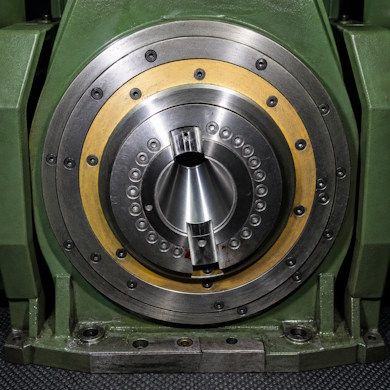
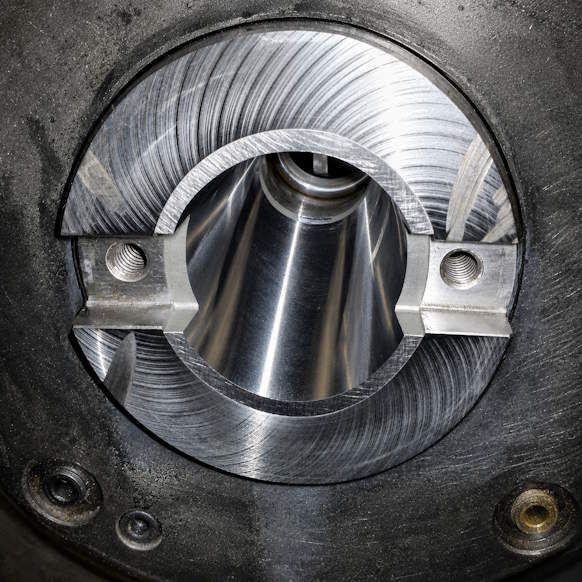
If the issue is concentrated at taper contact, toolholder seating, galling, bellmouthing, or spun-tool material transfer, on-site spindle taper grinding may be reviewed before assuming a full rebuild is needed.
On-site Spindle Taper Grinding
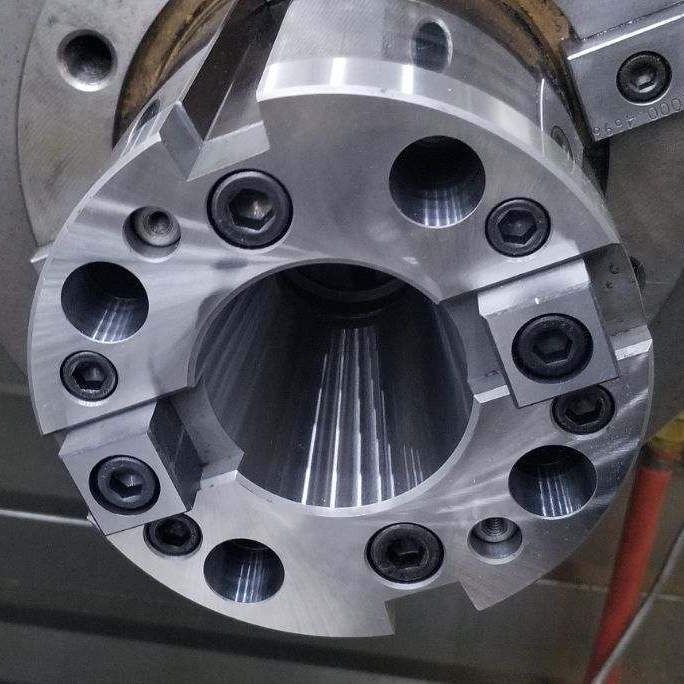
If the machine is a horizontal boring mill with taper, spindle bar, quill, or front-end damage beyond ordinary correction, Locher may evaluate whether a replaceable spindle taper insert is a practical repair path.
Boring Mill Replaceable Spindle Taper Inserts
If symptoms point beyond the spindle and into shafts, gears, bearings, transmission components, or the headstock assembly, a headstock rebuild evaluation may be more appropriate.
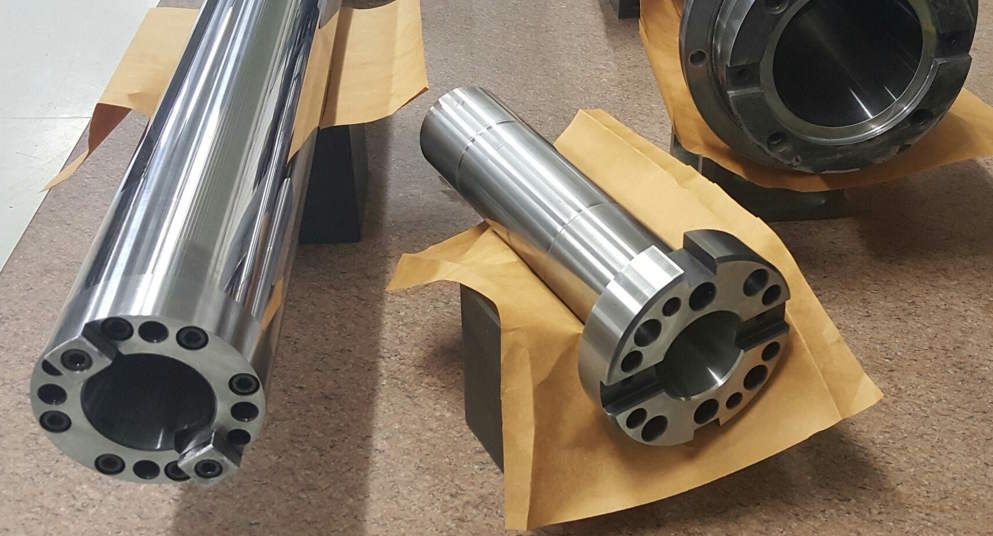
#50 CAT Conversion Cartridges
If the issue involves part accuracy, positioning, squareness, repeatability, or machine geometry, calibration and alignment may need to be evaluated along with spindle condition.
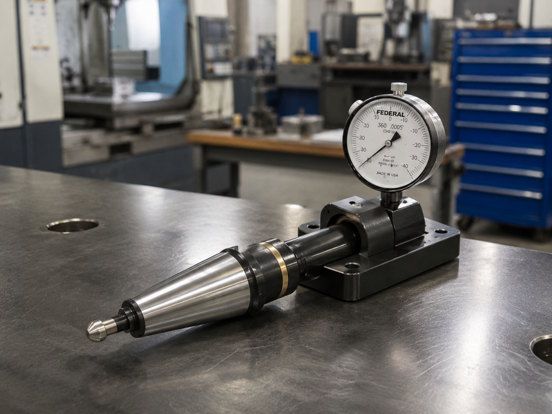
Drawbar Retention Force Gauges
Drawbar force should be reviewed when toolholder movement, fretting, poor seating, release problems, or repeat taper damage may be part of the issue.
Maximize uptime with expert maintenance guidance
Frequently Asked Questions
What is preventative maintenance consultation for machine tools?
Preventative maintenance consultation helps manufacturers review machine conditions, inspection practices, tooling habits, and maintenance checks that may affect taper life, drawbar force, toolholder seating, accuracy, and machine uptime.
When should I contact Locher about preventative maintenance?
Contact Locher when a machine has recurring taper damage, toolholder seating problems, drawbar concerns, sticking tools, repeat runout, chatter, poor finish, accuracy concerns, or repeated repair issues that need a more practical maintenance review.
Can preventative maintenance prevent all spindle taper damage?
No. Preventative maintenance can help identify conditions that contribute to taper damage, but it cannot eliminate every risk. Machine condition, tooling, operation, crashes, drawbar force, toolholder condition, and maintenance practices all affect spindle taper life.
What should be checked to reduce repeat taper damage?
Locher may review spindle taper condition, toolholder seating, drawbar force, retention knobs, Belleville washers, toolholder condition, tool release behavior, taper contact, test-bar runout, and maintenance practices.
Can low drawbar force damage a spindle taper?
Low or inconsistent drawbar force can contribute to poor toolholder seating, fretting, tool movement, chatter, poor finish, tool release problems, and repeat taper damage. Drawbar force should be reviewed in the context of the machine, taper, tooling system, and symptoms.
Should toolholders be inspected after spindle taper grinding?
Yes, toolholder condition should be reviewed after spindle taper grinding. Damaged, worn, dirty, or poor-quality toolholders can affect seating, runout, cutting stability, and the life of a repaired spindle taper.
Is preventative maintenance the same as machine repair?
No. Preventative maintenance consultation helps identify what should be checked, monitored, or corrected. If the machine already has taper damage, spindle symptoms, headstock issues, boring mill damage, or alignment problems, a direct repair review may also be needed.
What information should I send for preventative maintenance support?
Send the machine make and model, machine type, taper or tooling system, recurring issues, current maintenance practices, service history, photos if available, current measurements if available, facility location, and desired timing. Partial information is fine.
Does Locher serve my area?
Locher supports manufacturers from its Ohio and Texas base of operations.
Locher covers all manufacturers from every corner of industry, fully Nationwide. From Aerospace, to Automotive, to Gas & Oil, or your local job shop. We can help.
If you want to know for sure if we service your area, send us a message or give us a call!
Call Us Toll Free @ 800-956-2437
Email us: 4info@locher.com
Business Hours
- Mon - Fri
- -
- Sat - Sun
- Closed