
Retention Knobs for Reliable Toolholder Clamping
Retention knobs, also known as pull studs, are critical for maintaining the clamping force between the spindle, drawbar, and toolholder. Proper selection and upkeep ensure consistent tool retention and machine performance.
Precision Components for Secure Toolholding
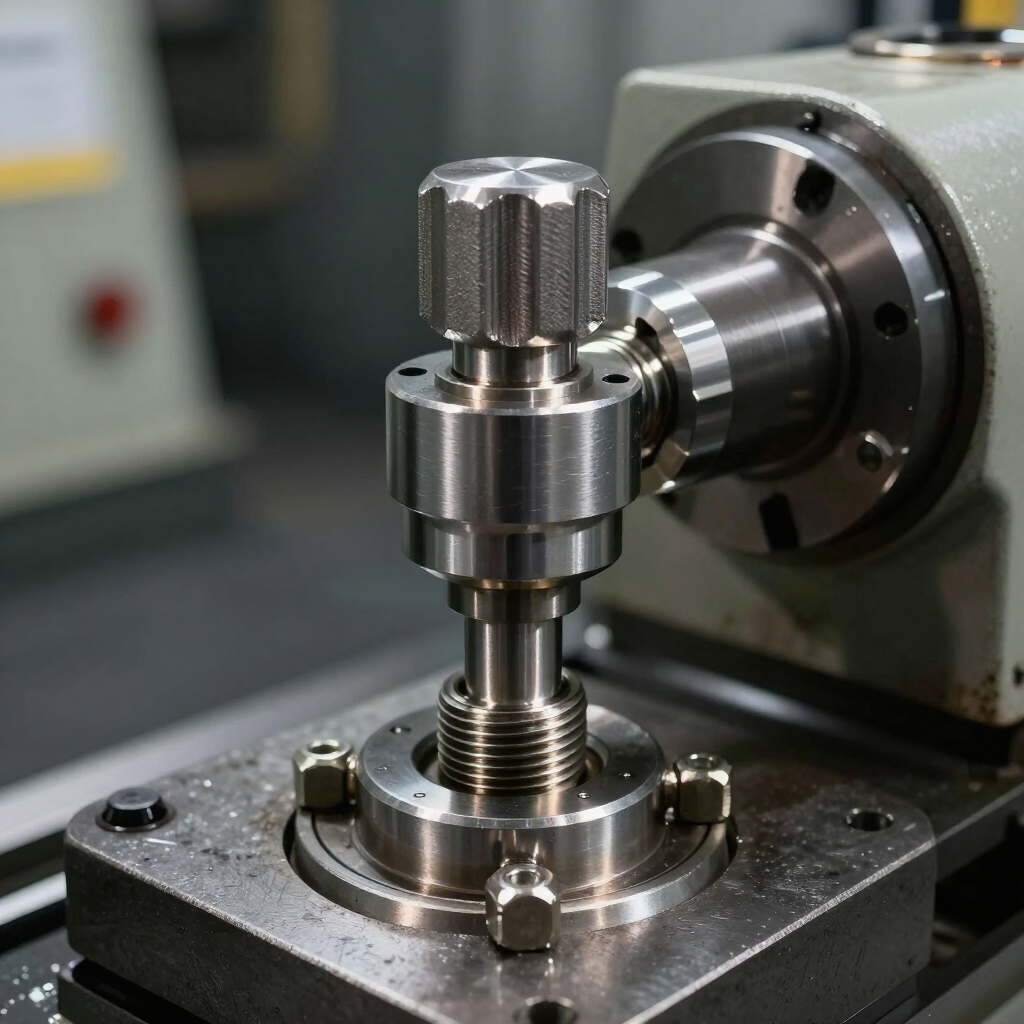
How Do Retention Knobs Help Keep Toolholders Clamped Reliably?
Retention knobs, also called pull studs, play a critical role in toolholder clamping and CNC machine performance. They are the connection point the machine’s drawbar uses to pull the toolholder securely into the spindle.
When retention knobs are worn, damaged, incorrect, loose, improperly matched, or not seating correctly, the result can be poor toolholder clamping, tool movement, chatter, vibration, poor surface finish, shortened tool life, and spindle performance concerns.
Locher supports manufacturers with retention knob and toolholder clamping concerns as part of a broader machine tool performance strategy. When a shop is dealing with inconsistent cutting results, toolholder movement, drawbar force concerns, or suspected spindle issues, retention knobs should be part of the troubleshooting conversation.
TLDR: Retention knobs help the drawbar clamp the toolholder securely into the spindle. When they are worn, damaged, incorrect, or loose, they can contribute to chatter, tool movement, poor finish, accuracy problems, and spindle concerns.
What Are Retention Knobs?
Retention knobs are threaded components installed into toolholders. The machine’s drawbar grips the retention knob and pulls the toolholder into the spindle taper during tool changes and cutting operations.
They may look simple, but they are a critical part of the machine tool clamping system.
A retention knob helps support:
- Toolholder clamping
- Spindle-to-holder contact
- Drawbar retention force
- Cutting stability
- Tool security
- Repeatable tool changes
- Machine accuracy
- Safe and reliable production
If the retention knob is not correct for the holder, machine, spindle, or drawbar system, the clamping connection can be compromised. And that is where small part turns into big headache. Classic machine shop fun.
Key Functions of Retention Knobs
Why Do Retention Knobs Matter for Toolholder Clamping?
Retention knobs matter because the drawbar relies on them to secure the toolholder inside the spindle. If the retention knob is worn, damaged, improperly installed, or mismatched, the toolholder may not clamp as intended. That can affect the entire cutting process.
| Retention Knob Function | Why It Matters |
|---|---|
| Provides the drawbar grip point | Allows the drawbar to pull the toolholder into the spindle |
| Supports clamping consistency | Helps maintain reliable toolholder seating |
| Protects cutting stability | Reduces the risk of tool movement during machining |
| Supports spindle contact | Helps the holder maintain proper relationship with the spindle taper |
| Affects repeatability | Helps tool changes return to a consistent position |
| Supports machine reliability | Reduces the risk of preventable clamping-related problems |
Locher, Inc - Call Toll Free: 1-800-956-2437
A retention knob should not be treated like a generic bolt. It is a precision clamping component within the machine tool system.
What Problems Can Retention Knob Issues Cause?
Retention knob issues can create production problems that may be blamed on the toolholder, spindle, cutting tool, setup, or machine condition. Common problems may include:
| Problem Area | What It May Look Like in Production |
|---|---|
| Poor toolholder clamping | The holder may not seat or hold as securely as expected |
| Tool movement | The toolholder may shift during cutting or heavy load conditions |
| Chatter or vibration | Cutting becomes unstable, especially under load |
| Poor surface finish | Parts may show roughness, vibration marks, or inconsistent finish quality |
| Premature tool wear | Cutting tools may wear faster due to instability |
| Runout concerns | Tool position may not hold consistently |
| Repeatability issues | Tool changes may not repeat cleanly |
| Spindle taper concerns | Poor clamping may contribute to contact issues, fretting, or uneven loading |
| Drawbar force concerns | The clamping system may not be applying force as expected |
| Unnecessary troubleshooting | Shops may chase the spindle, tool, program, or setup before checking the knob |
Locher, Inc - Call Toll Free: 1-800-956-2437
Retention knob problems are especially frustrating because the part is small, but the symptoms can look like much larger machine issues.
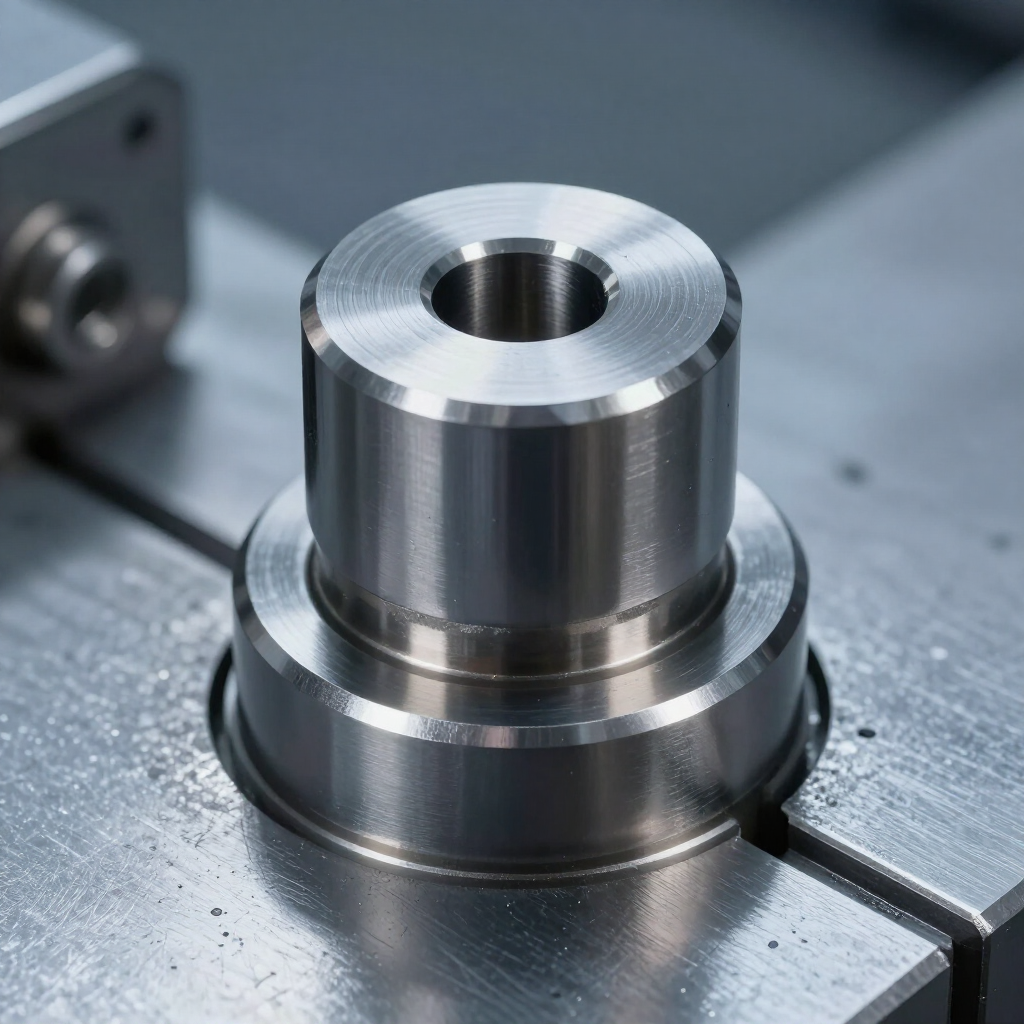
Can Retention Knobs Cause Toolholder Clamping Problems?
Yes. Retention knobs can cause toolholder clamping problems when they are worn, damaged, loose, incorrectly selected, improperly installed, or not matched to the machine and toolholder system.
The drawbar depends on the retention knob to pull and hold the toolholder securely in the spindle. If that connection is compromised, the holder may not seat correctly or remain stable during cutting.
That can lead to:
- Toolholder movement
- Poor taper contact
- Chatter
- Vibration
- Inconsistent cutting performance
- Premature tool wear
- Repeatability problems
- Poor part quality
- Possible spindle-related concerns
For manufacturers running precision CNC equipment, retention knob condition should never be treated as an afterthought.
Can the Wrong Retention Knob Damage a Toolholder or Spindle?
The wrong retention knob can create serious clamping problems if it does not match the toolholder, spindle, or drawbar requirements. Retention knobs can vary by machine type, holder style, thread, length, head geometry, pull angle, and clamping system requirements. A knob that looks close may still be wrong for the application.
Using the wrong retention knob may contribute to:
- Poor drawbar engagement
- Improper toolholder seating
- Reduced clamping reliability
- Excessive stress on the toolholder
- Fretting or poor taper contact
- Toolholder movement
- Spindle performance concerns
- Unstable cutting conditions
This is why manufacturers should follow OEM requirements and avoid mixing retention knob styles without confirming compatibility. A retention knob is not the place to play “eh, close enough.” That little phrase has murdered many a maintenance budget.
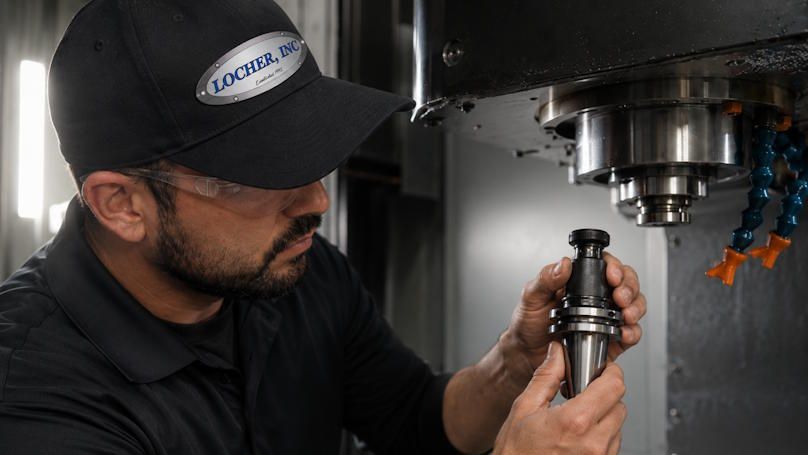
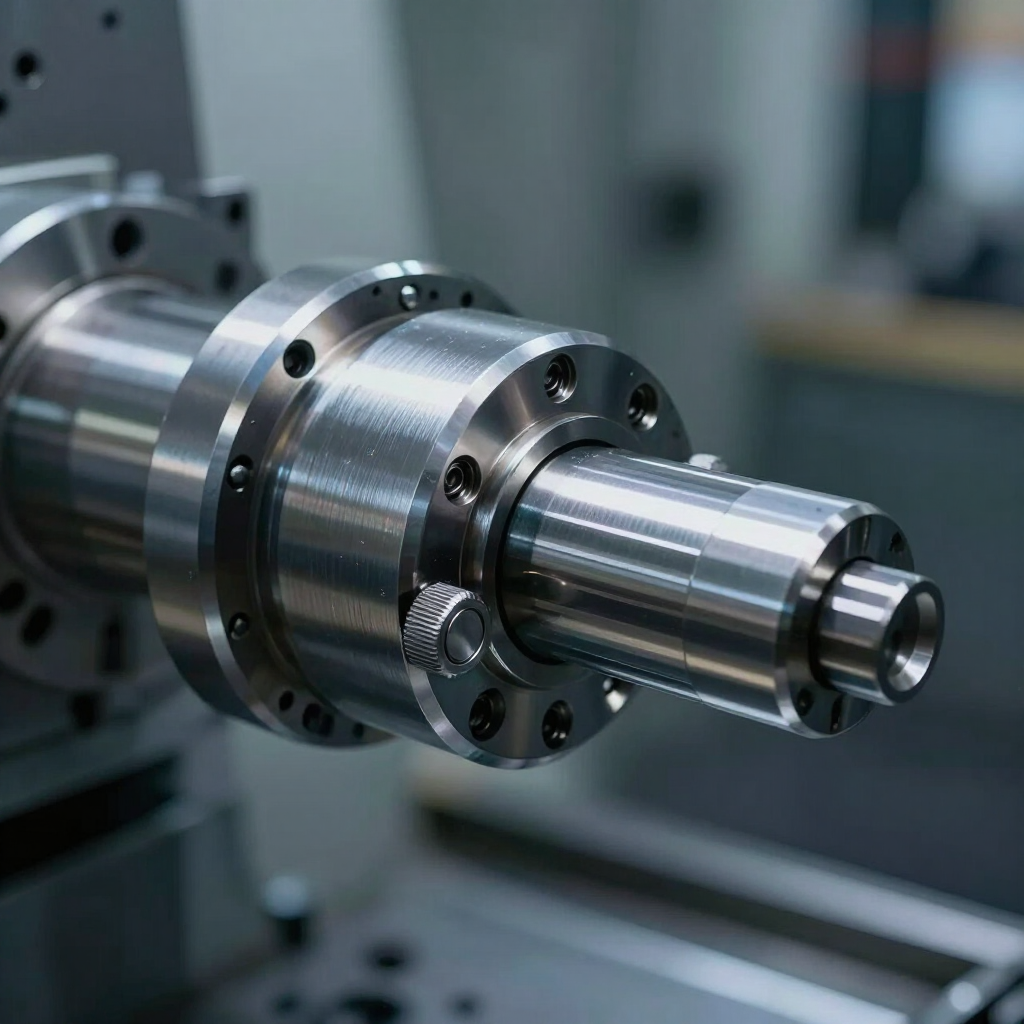
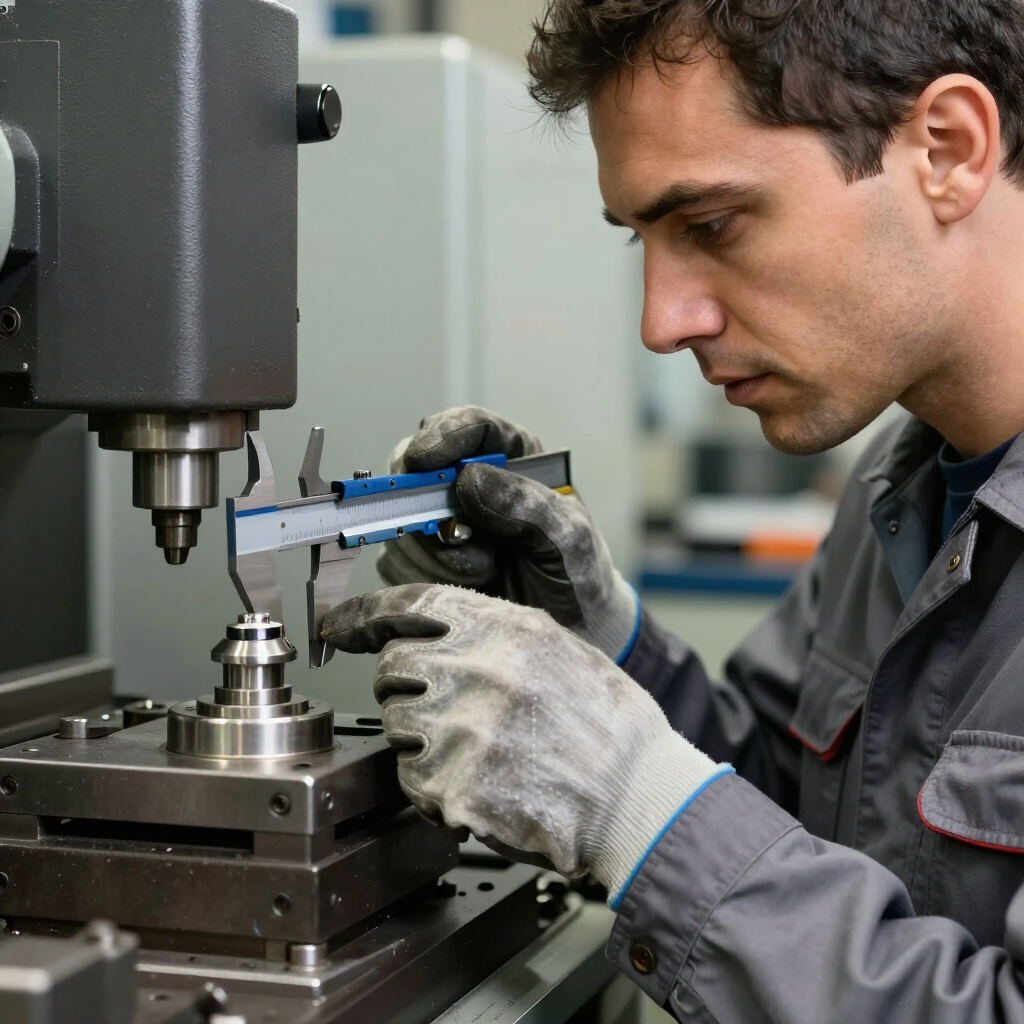
Retention knobs ensure secure toolholding and consistent machine performance

Precision Retention Knobs for Secure Toolholding
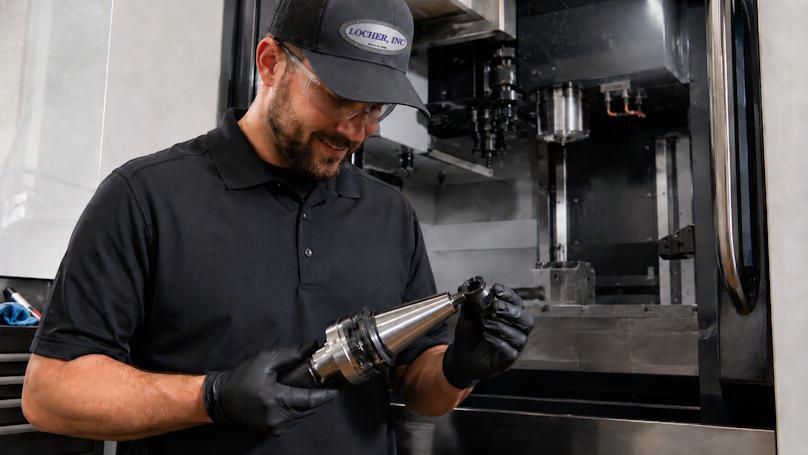
How Do Retention Knobs Affect Drawbar Retention Force?
Retention knobs are directly connected to drawbar retention force because the drawbar clamps onto the knob to pull the toolholder into the spindle.
If the retention knob is damaged, worn, incorrect, or not properly seated in the toolholder, drawbar force may not translate into reliable toolholder clamping.
Drawbar retention force concerns may show up as:
- Toolholder pullout
- Holder movement
- Chatter under load
- Poor surface finish
- Inconsistent cuts
- Shortened tool life
- Spindle taper fretting
- Tool change repeatability problems
When a machine has suspected clamping issues, both the drawbar system and retention knob condition should be reviewed. The drawbar may be applying force, but the retention knob and holder still need to support that force correctly.
Locher can help manufacturers evaluate retention knob-related concerns in connection with toolholder condition, drawbar performance, spindle taper contact, and machine reliability.
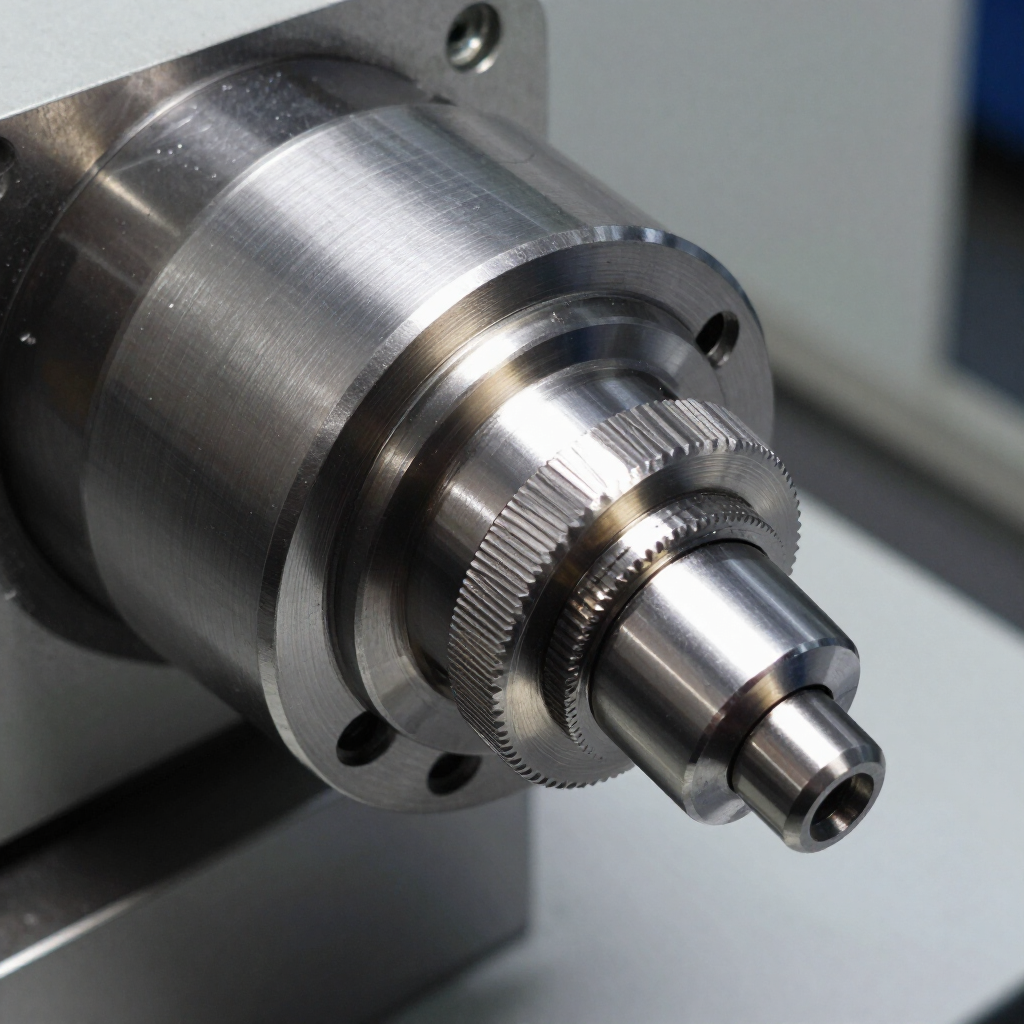
Minimize toolholder issues with precise retention knob fit and condition
When Should Retention Knobs Be Checked?
Retention knobs should be checked whenever there are signs of clamping inconsistency, toolholder movement, machine accuracy problems, or spindle performance concerns. Common reasons to inspect retention knobs include:
| Concern | Why It Matters |
|---|---|
| Visible wear or damage | Worn knobs may not engage properly with the drawbar |
| Loose retention knobs | Loose knobs can affect clamping reliability and toolholder seating |
| Chatter or vibration | Instability may be connected to clamping problems |
| Toolholder pullout | Pullout can indicate a serious clamping concern |
| Poor surface finish | Finish problems may be caused by toolholder movement |
| Premature tool wear | Tool instability can shorten cutting tool life |
| Fretting | Fretting may indicate movement or poor contact between holder and spindle |
| Drawbar force concerns | Low or inconsistent force may affect clamping performance |
| Repeatability issues | Tool changes may not return to a consistent position |
| Machine crash or overload event | Retention knobs and holders should be inspected after abnormal events |
Locher, Inc - Call Toll Free: 1-800-956-2437
Retention knobs should also be reviewed as part of routine preventative maintenance, especially in high-production environments where toolholder reliability directly affects uptime.
Why Should Retention Knobs Be Part of Preventative Maintenance?
Retention knobs should be part of preventative maintenance because they are directly involved in toolholder clamping, drawbar force, spindle contact, and cutting stability.
A worn or incorrect retention knob can quietly contribute to machine performance issues long before the problem becomes obvious.
Regular retention knob review can help reduce the risk of:
- Poor clamping
- Toolholder movement
- Tool pullout
- Poor part accuracy
- Chatter and vibration
- Spindle taper damage
- Premature tool wear
- Scrap and rework
- Unplanned downtime
- Misdiagnosed machine problems
In precision manufacturing, toolholder clamping is not optional. It is part of the foundation that allows the machine to cut accurately and reliably.
How Can Locher Help With Retention Knob and Clamping Concerns?
Locher helps manufacturers evaluate retention knob and toolholder clamping concerns as part of the complete machine tool system.
A clamping problem may not always have one obvious cause. The issue may involve the retention knob, toolholder, drawbar, spindle taper, machine condition, cutting load, or maintenance history.
At Locher, we help our customers look at the larger picture so they can make better repair, maintenance, and replacement decisions.
Locher can support concerns involving:
- Retention knob condition
- Toolholder clamping reliability
- Drawbar retention force concerns
- Toolholder movement
- Spindle taper contact
- Fretting or poor seating
- Cutting instability
- Tool pullout concerns
- Machine accuracy problems
- Surface finish issues
- Repeatability problems
- Related spindle and machine tool service needs
The goal is to help manufacturers identify whether the issue is connected to the retention knob itself, the toolholder, the spindle, the drawbar system, or a larger machine performance concern.
Do You Need Help With Retention Knobs or Toolholder Clamping Issues?
If your shop is dealing with poor toolholder clamping, chatter, tool movement, premature tool wear, poor surface finish, repeatability problems, or suspected spindle performance issues, the retention knob may be part of the problem.
Locher helps manufacturers evaluate retention knob and toolholder clamping concerns as part of a broader machine tool performance strategy. The goal is to help identify the real issue, reduce unnecessary downtime, and support more reliable production.
For manufacturers focused on accuracy, uptime, and long-term machine reliability, retention knob performance should not be overlooked.
Call Locher at 1-800-956-2437 to discuss retention knob and toolholder clamping concerns.
Why Choose Locher for Retention Knob and Machine Tool Performance Support?
Manufacturers choose Locher because machine tool problems are rarely solved by guessing.
A retention knob issue may look like a drawbar issue. A drawbar issue may look like a spindle issue. A spindle issue may look like a toolholder issue. Locher helps customers work through those possibilities with practical machine tool experience and a focus on solving the right problem.
Locher supports manufacturers that need more than a replacement part. They need a machine tool service partner that understands how retention knobs, toolholders, drawbars, spindles, machine alignment, and preventative maintenance all work together.
When clamping reliability, accuracy, and uptime matter, Locher helps manufacturers move from symptoms to solutions.
Talk with Locher today about retention knobs, toolholder clamping, drawbar force, spindle performance, and machine accuracy support.
Complementary Services for Retention Knob Optimization
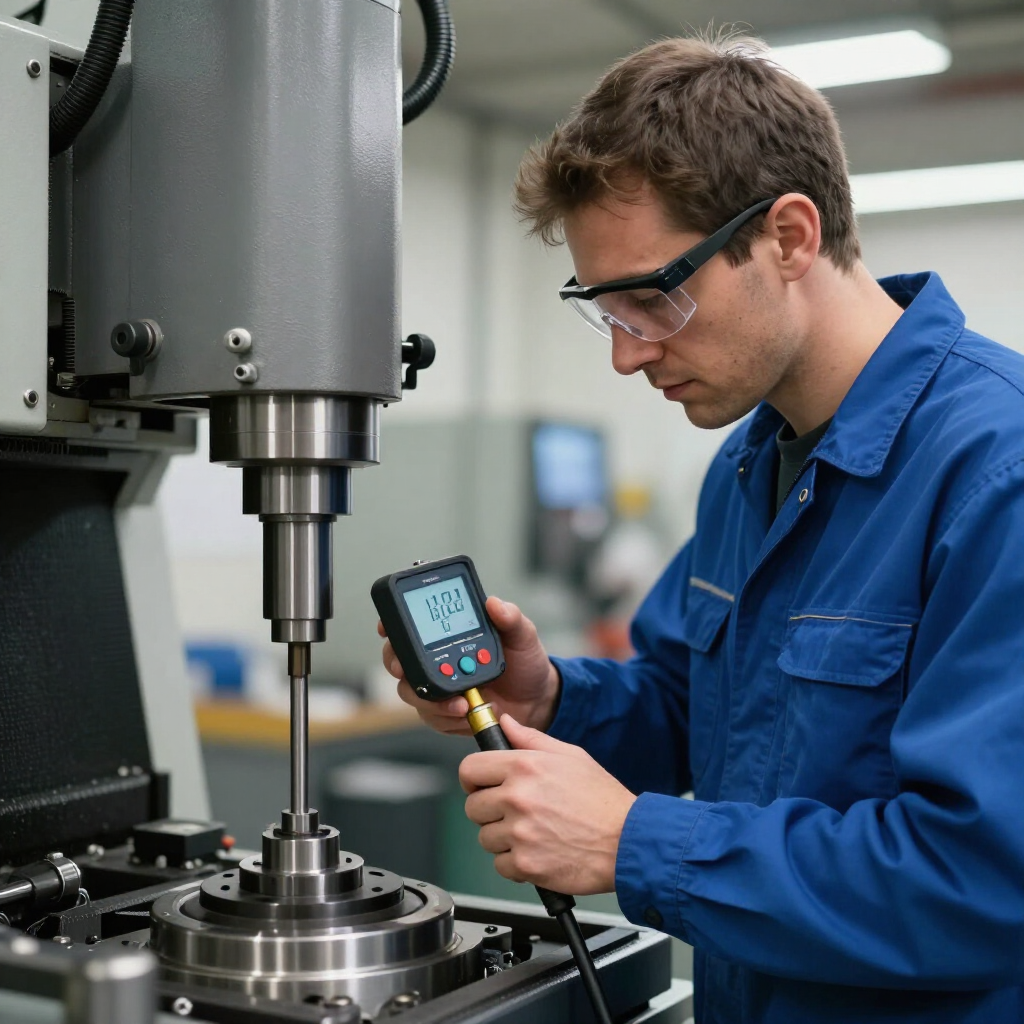
Locher offers precise drawbar force measurement to ensure optimal clamping pressure and toolholder retention. Accurate force readings help identify issues before they affect machining performance.
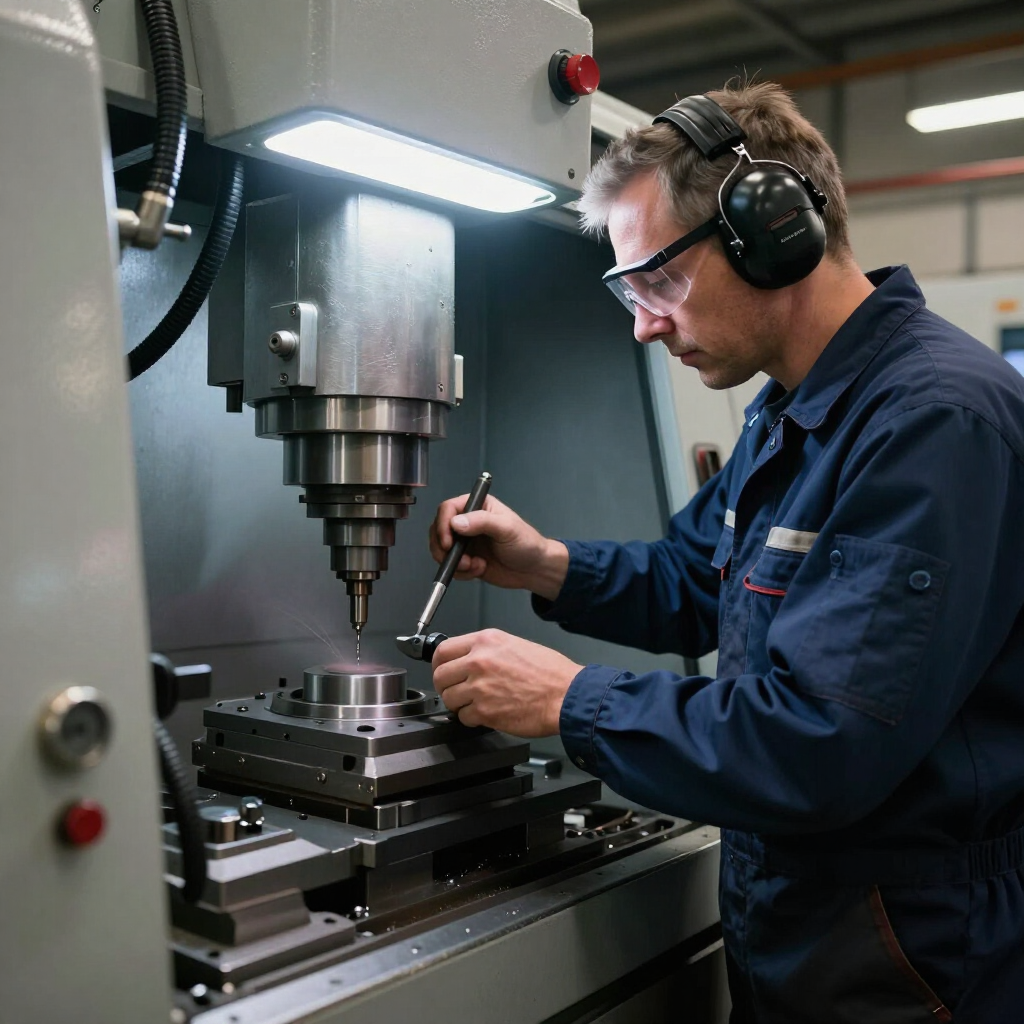
On-site spindle taper grinding restores spindle geometry to factory specifications, improving toolholder seating and retention knob effectiveness. This service reduces taper wear and extends machine life.
Toolholder inspection services identify wear, damage, or incompatibility in retention knobs and related components. Early detection prevents toolholder instability and machining errors.
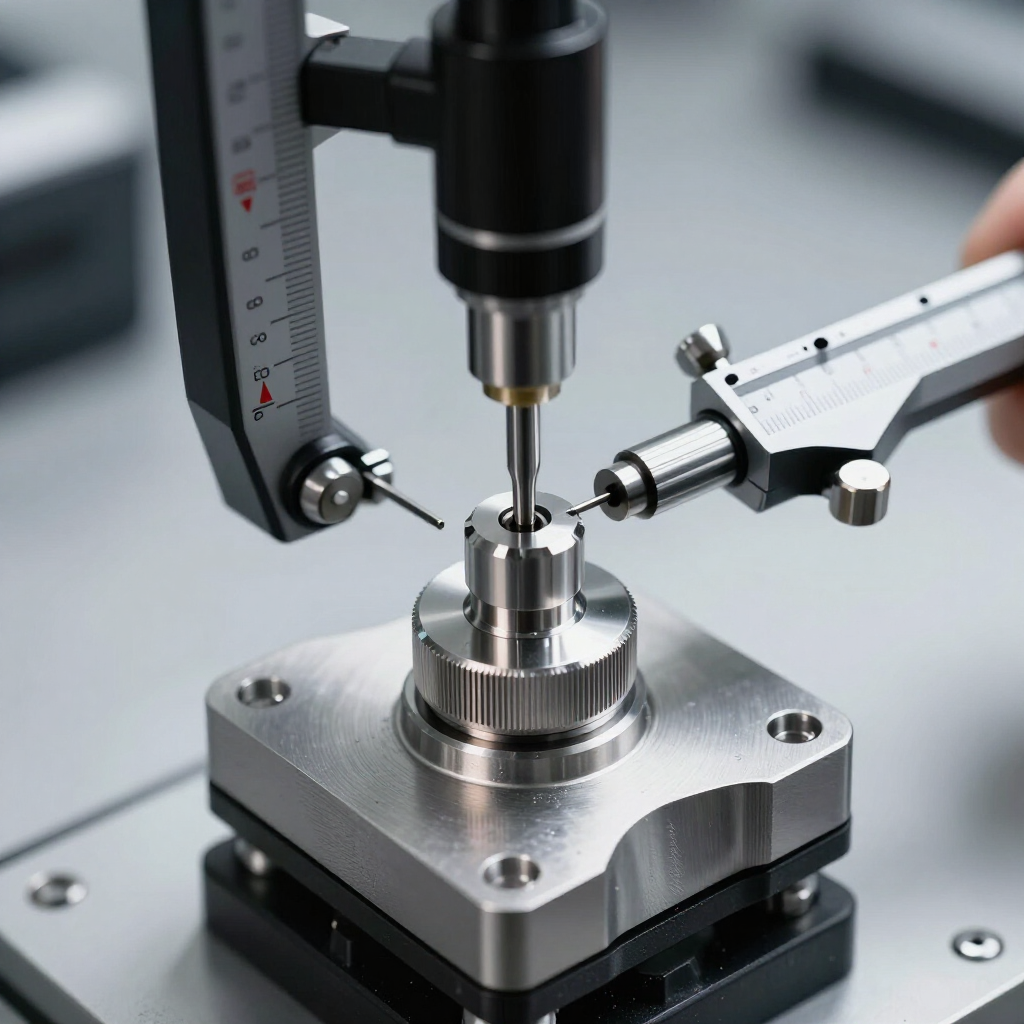
Preventative maintenance consultations help develop tailored schedules for retention knob and toolholding system upkeep. Regular maintenance reduces downtime and maintains consistent clamping performance.
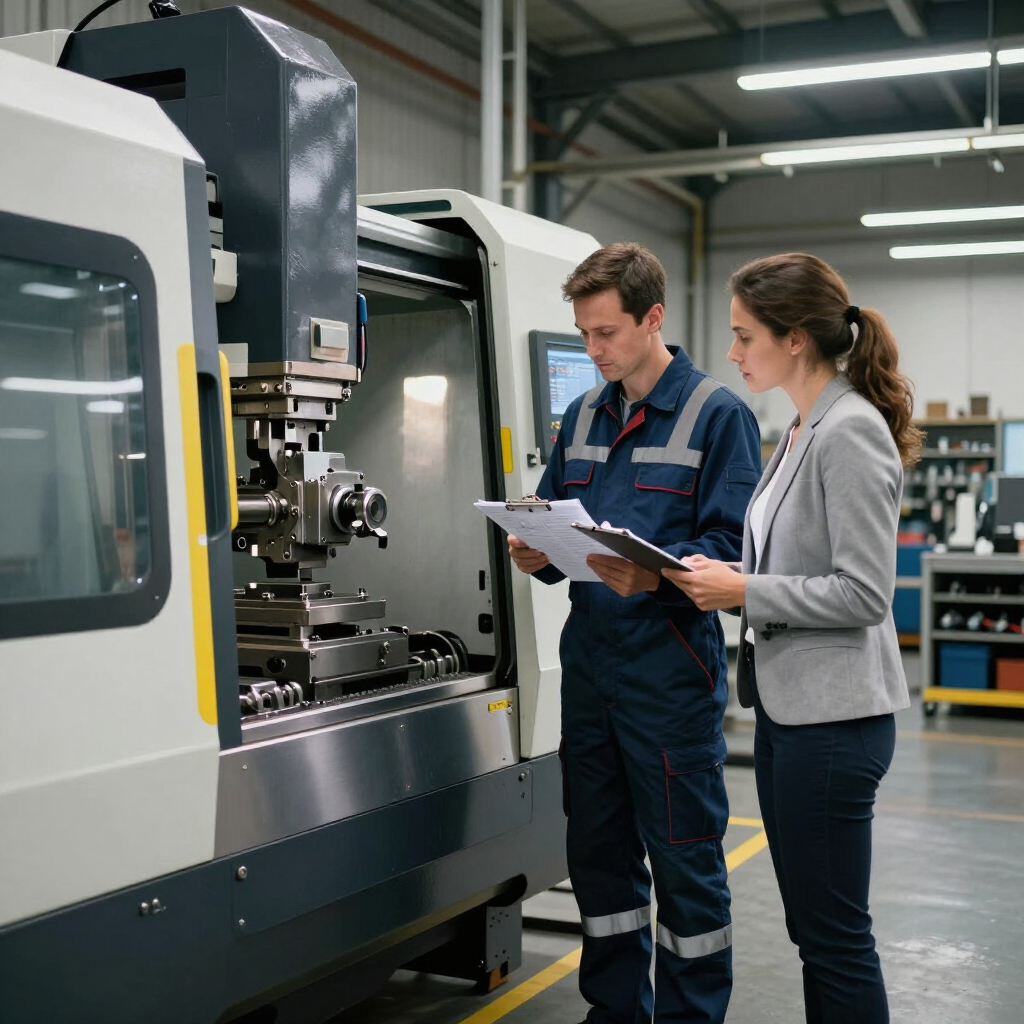
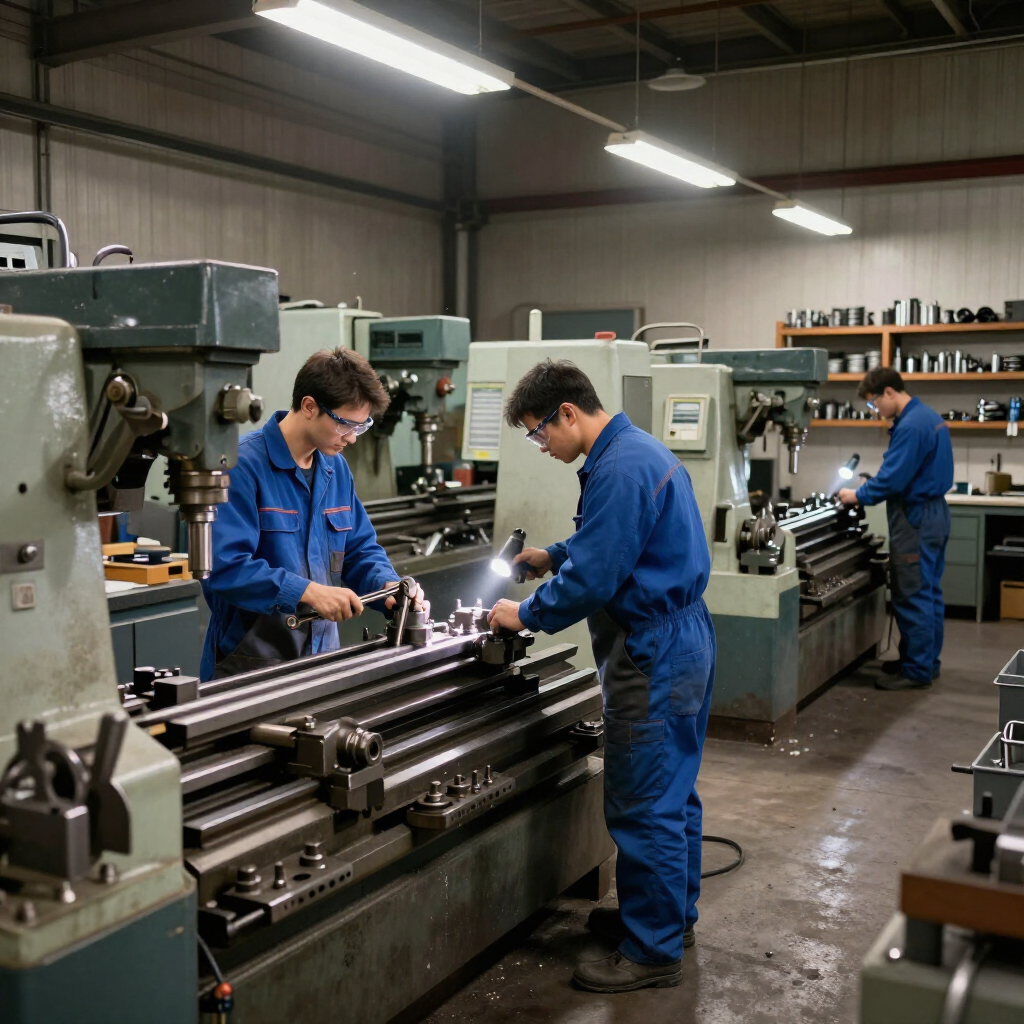
Locher’s integrated services support retention knob reliability and overall toolholding system health. Combining measurement, repair, inspection, and maintenance ensures consistent machining accuracy.
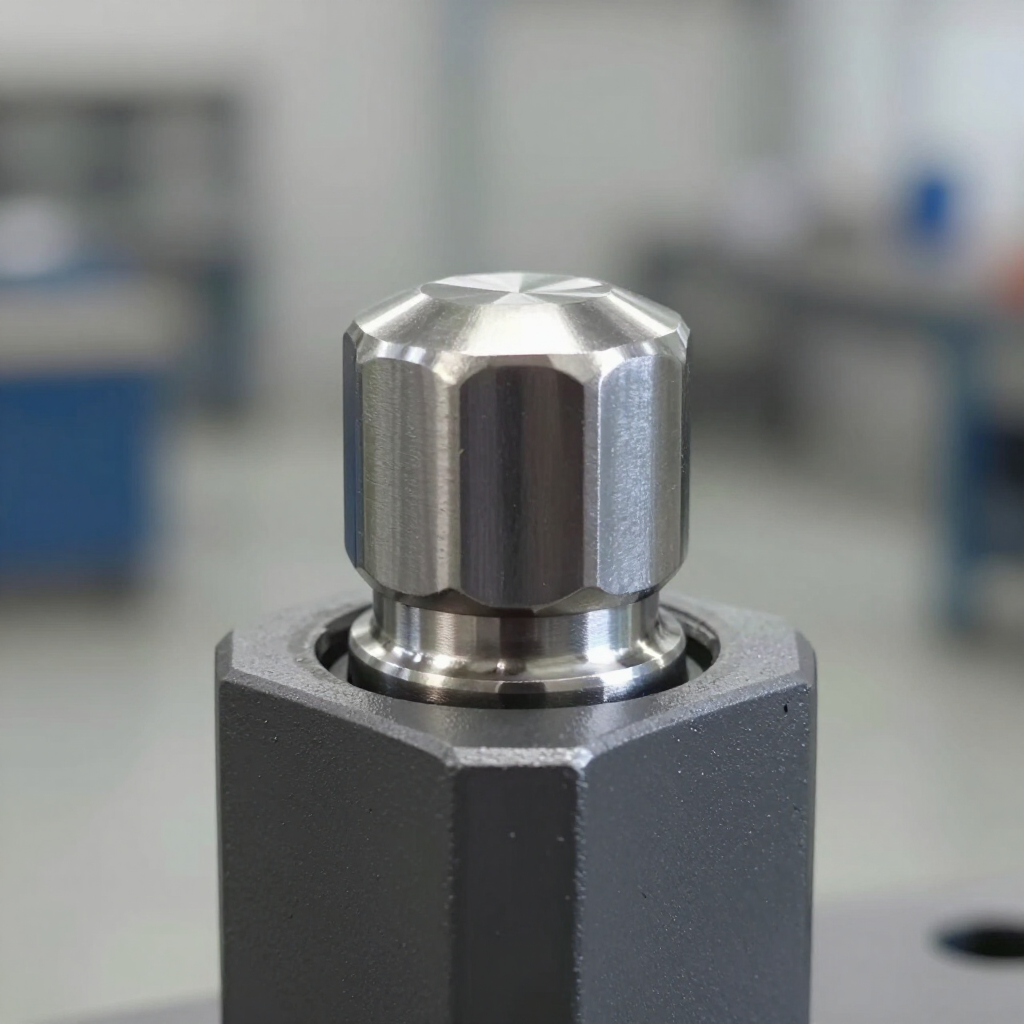
Partnering with Locher provides comprehensive solutions to retention knob challenges, minimizing tool release issues and taper damage. Our expertise helps maintain machine tool precision and productivity.
Send Your Retention Knob Details for Expert Review
Provide machine make and model, spindle taper, toolholder style, and current retention knob info or photos to get precise recommendations.
Why Sharing Accurate Information Matters
Correct data ensures Locher can identify the right retention knob specifications for your machine and tooling setup.
This helps prevent toolholding issues and supports reliable clamping and tool release performance.
Call Us To Get Help Submitting Your Details
Locher, Inc QUOTE FORM
Contact Us
Thank you for reaching out to contact us. We understand the urgency of our customer's service related inquiries and will review your email ASAP. Please allow us up to 24 hours to follow-up. We will get back to you as soon as possible.
If this is extremely urgent or an emergency request, please give us a call @ 800-956-2437. We will get back to you as soon as possible.
Ouchhh.... Technology is great when it works, right? Sorry about that... it seems our system's hit a snag and we'll work to resolve the error! In the meantime, please give us a call @ 800-956-2437 so we can help you!
Please feel free to check back later....
Expert Spindle Services Backed by Decades of Experience
"FAQ's" About Retention Knobs
What Questions Do Manufacturers Commonly Ask About Retention Knobs?
What is a retention knob?
A retention knob is a threaded component installed into a toolholder. The machine’s drawbar grips the retention knob and pulls the toolholder into the spindle so it can remain clamped during machining.
Retention knobs are also commonly called pull studs.
Are retention knobs and pull studs the same thing?
Yes. In many machine shops, the terms retention knob and pull stud refer to the same component. Both describe the part the drawbar grips to pull and hold the toolholder inside the spindle.
The correct style, fit, and condition of the retention knob are important for reliable toolholder clamping.
Why are retention knobs important?
Retention knobs are important because they help the drawbar clamp the toolholder securely into the spindle. If the retention knob is worn, damaged, loose, incorrect, or improperly installed, the toolholder may not clamp reliably.
That can affect accuracy, tool life, surface finish, spindle performance, and production reliability.
Can a bad retention knob cause toolholder pullout?
Yes. A bad, worn, damaged, loose, or incorrect retention knob can contribute to toolholder pullout or toolholder movement during cutting.
Toolholder pullout is a serious clamping concern and should be evaluated quickly to reduce the risk of part damage, tool damage, spindle concerns, or machine downtime.
Can the wrong retention knob cause machine problems?
Yes. The wrong retention knob can cause machine problems if it does not match the toolholder, spindle, or drawbar requirements.
An incorrect retention knob may affect drawbar engagement, clamping force, toolholder seating, taper contact, cutting stability, and spindle performance.
How do I know if a retention knob is worn out?
Signs of a possible worn retention knob include visible wear, damaged threads, damaged pull surfaces, fretting, toolholder movement, poor clamping, chatter, vibration, tool pullout, poor surface finish, or repeatability problems.
If a specific toolholder or machine position repeatedly creates problems, the retention knob should be inspected.
Should retention knobs be replaced regularly?
Retention knobs should be inspected regularly and replaced when they show wear, damage, thread problems, pull-surface damage, or signs that they may no longer support reliable clamping.
Replacement timing depends on machine use, production demands, holder condition, maintenance practices, and OEM recommendations.
Can retention knob problems look like spindle problems?
Yes. Retention knob problems can look like spindle problems because poor clamping can create chatter, vibration, poor finish, tool movement, fretting, runout concerns, and repeatability issues.
That is why retention knobs, toolholders, and drawbar force should be reviewed before assuming the spindle is the only problem.
How do retention knobs affect drawbar force?
Retention knobs affect drawbar force because the drawbar clamps onto the knob to pull the toolholder into the spindle.
If the knob is damaged, incorrect, loose, or not properly matched to the machine, the drawbar may not clamp the toolholder as reliably as expected.
Should retention knobs be part of preventative maintenance?
Yes. Retention knobs should be part of preventative maintenance because they directly affect toolholder clamping, cutting stability, spindle contact, accuracy, tool life, and machine reliability.
Regular inspection helps catch clamping-related problems before they become larger production or machine repair issues.
Who should I call for retention knob or toolholder clamping concerns?
If your shop is dealing with poor toolholder clamping, tool movement, chatter, vibration, poor finish, tool pullout, repeatability problems, or suspected spindle performance issues, contact Locher.
Call Locher at 1-800-956-2437 to discuss retention knob and toolholder clamping concerns.